
Home News Special Occations Holi: The Festival of Colors, Joy, and Togetherness
04 March, 2026
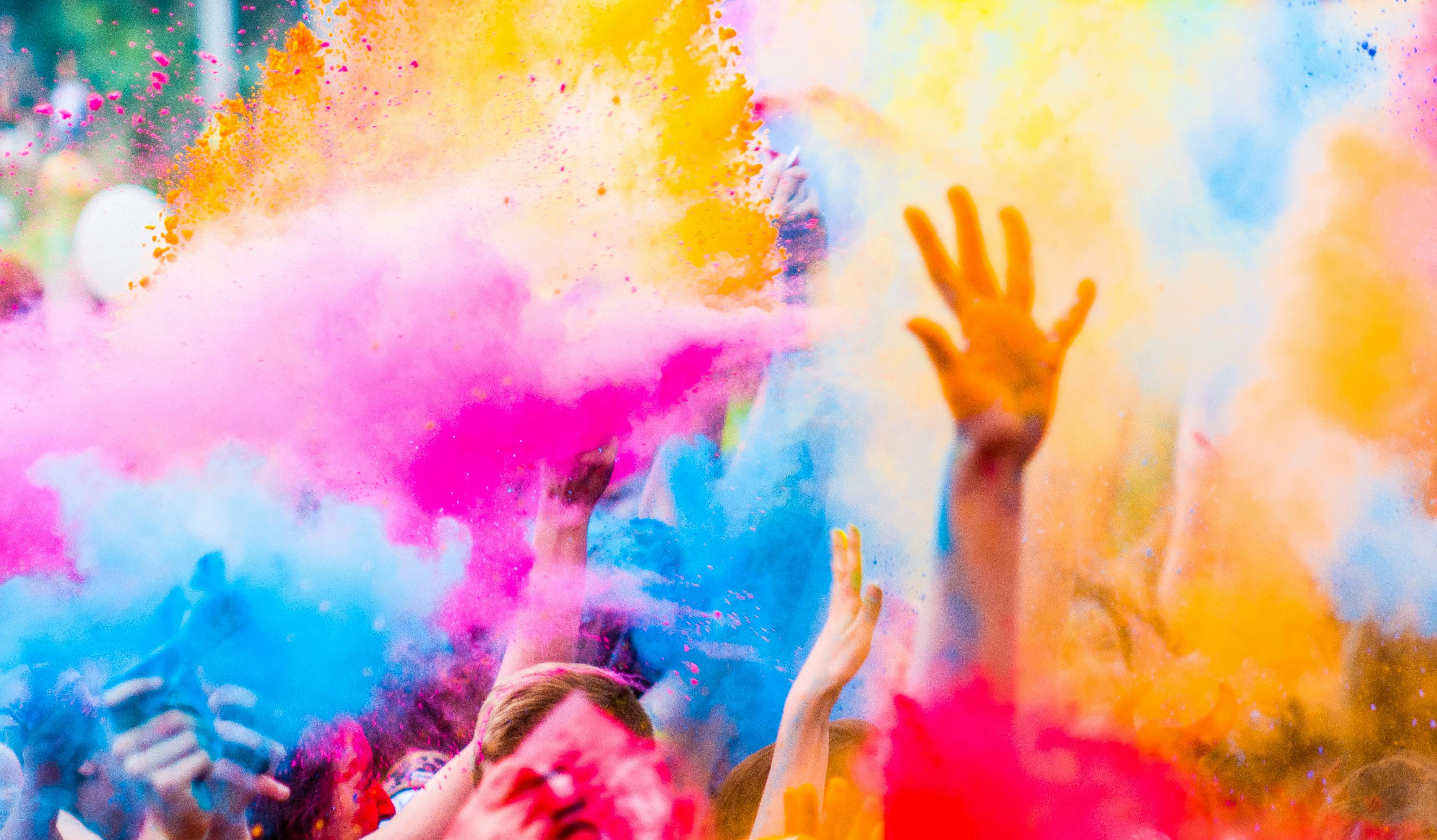
Holi is one of the most vibrant and joyful festivals celebrated in India and by Indian communities around the world. Known as the Festival of Colors, Holi marks the arrival of spring, the victory of good over evil, and the spirit of unity and happiness. The celebration is filled with colors, music, dance, sweets, and heartfelt connections. People of all ages come together to forget past grievances and strengthen relationships.
Holi is not just a festival; it is an emotion that brings people closer. Streets turn into canvases of bright colors, laughter fills the air, and homes are filled with delicious festive treats. The festival reflects the rich cultural heritage and traditions of India.
Historical and Mythological Significance of Holi
The celebration of Holi is deeply rooted in Indian mythology and ancient traditions. One of the most popular legends associated with Holi is the story of Prahlad and Holika. According to Hindu mythology, King Hiranyakashipu wanted everyone to worship him as a god. However, his son Prahlad remained devoted to Lord Vishnu. Enraged by this, Hiranyakashipu planned to kill Prahlad with the help of his sister Holika, who had a boon that made her immune to fire.
Holika sat in a blazing fire with Prahlad on her lap, believing she would remain unharmed. But due to her evil intentions, the boon failed, and she was burned to ashes, while Prahlad was saved by his unwavering devotion. This story symbolizes the triumph of good over evil and is commemorated by lighting bonfires on the eve of Holi, known as Holika Dahan.
Another popular legend is connected to Lord Krishna and Radha. It is believed that young Krishna, who had a dark complexion, was worried about Radha’s fair skin. His mother suggested that he playfully apply color on Radha’s face. This playful act became a tradition, and today people celebrate Holi by applying colors to one another.
When and How Holi is Celebrated
Holi is celebrated on the full moon day (Purnima) in the Hindu month of Phalguna, which usually falls in March. The festival typically lasts for two days.
Holika Dahan
The first day is known as Holika Dahan or Chhoti Holi. On this day, people gather wood and combustible materials to light a bonfire in the evening. Families and communities come together to perform rituals, pray for prosperity, and circle the fire as a symbolic gesture of burning negativity and evil.
Rangwali Holi
The second day is the main celebration, known as Rangwali Holi or Dhulandi. On this day, people throw colored powders (gulal), splash water, and use water guns (pichkaris) to drench each other in vibrant hues. Friends, families, and even strangers greet each other with the phrase “Happy Holi” and apply colors on each other’s faces.
Music and dance are an essential part of the celebration. Traditional songs and Bollywood Holi songs fill the air, and people dance with joy. The festive spirit continues throughout the day, followed by visits to relatives and friends in the evening.
The Cultural Importance of Holi
Holi holds immense cultural importance in India. It breaks social barriers and promotes unity. During Holi, distinctions of caste, class, age, and gender seem to fade away. Everyone participates equally in the celebration.
The festival also signifies the end of winter and the beginning of spring. It is a time of renewal, growth, and fresh beginnings. Farmers celebrate Holi as it coincides with the harvest season in many regions of India. It is a time of gratitude for a good crop and hopes for future prosperity.
Holi encourages forgiveness and reconciliation. People use this opportunity to mend broken relationships and start anew. The festival spreads the message of love, peace, and harmony.
Traditional Foods and Sweets of Holi
No Indian festival is complete without delicious food, and Holi is no exception. Special sweets and snacks are prepared in homes across the country.
One of the most famous Holi sweets is gujiya, a deep-fried pastry stuffed with sweetened khoya and dry fruits. Other popular treats include malpua, laddoo, and barfi. Savory snacks like mathri and namak pare are also enjoyed.
Thandai, a refreshing milk-based drink flavored with nuts and spices, is traditionally served during Holi. In some regions, bhang (a preparation made from cannabis leaves) is added to thandai as part of traditional celebrations.
Sharing food strengthens bonds and adds warmth to the festive atmosphere.
Regional Variations of Holi in India
Holi is celebrated in different ways across various states of India, each with its unique traditions.
Lathmar Holi in Barsana
In Barsana and Nandgaon in Uttar Pradesh, Holi is celebrated as Lathmar Holi. Women playfully hit men with sticks (lathis), while men try to shield themselves. This tradition is inspired by the playful teasing between Radha and Krishna.
Phoolon Ki Holi in Vrindavan
In Vrindavan, Holi is celebrated with flowers instead of colors. Temples shower devotees with flower petals, creating a mesmerizing atmosphere.
Dol Jatra in West Bengal
In West Bengal, Holi is known as Dol Jatra or Basanta Utsav. Devotees sing devotional songs and apply colors in a more graceful and cultural manner.
Shigmo in Goa
In Goa, Holi is celebrated as Shigmo, marked by vibrant parades, folk dances, and cultural performances.
These regional variations highlight the diversity of Indian culture while maintaining the core spirit of Holi.
Holi Around the World
Holi is no longer limited to India. It is celebrated in countries with significant Indian communities, such as Nepal, the United States, the United Kingdom, Canada, and Australia. Cultural organizations and temples organize Holi events where people gather to enjoy colors, music, and food.
In recent years, Holi-inspired color festivals have become popular worldwide. These events focus on music and the joyful throwing of colors, attracting people from various cultural backgrounds.
Environmental and Safety Considerations
While Holi is a festival of joy, it is important to celebrate responsibly. Traditionally, colors were made from natural sources like flowers and herbs. However, many modern synthetic colors contain harmful chemicals that can cause skin allergies and environmental damage.
Using eco-friendly and organic colors is a safer and more sustainable choice. Conserving water is also essential, as excessive water usage during Holi can lead to wastage.
People should also ensure safety by avoiding forceful application of colors, protecting their eyes, and being mindful of others’ comfort. Celebrating Holi with consent and respect enhances the true spirit of the festival.
The Spirit and Message of Holi
Beyond the colors and festivities, Holi carries a profound message. It reminds us that good ultimately triumphs over evil. It teaches us to let go of past grudges and embrace forgiveness.
Holi symbolizes equality and unity. When everyone is covered in colors, external differences disappear. It is a reminder that humanity is one, and love and joy are universal.
The festival encourages positivity and optimism. Just as nature blooms in spring, Holi inspires individuals to refresh their minds and hearts.
Conclusion
Holi is more than just a celebration of colors; it is a festival that embodies joy, unity, and cultural richness. Rooted in mythology and tradition, it celebrates the victory of good over evil and the arrival of spring. Through bonfires, vibrant colors, music, dance, and delicious food, Holi brings people together and strengthens bonds.
As we celebrate Holi, it is important to remember its deeper meaning and celebrate responsibly. By choosing eco-friendly practices and spreading love and kindness, we can preserve the true essence of this beautiful festival.
Holi continues to light up lives with happiness and color, reminding us that life itself is a canvas meant to be filled with vibrant shades of love, laughter, and togetherness.
