
Home Blogs Technical Understanding Internal IP, External IP, A Record, and AAAA Record
Posted By: Shriji Solutions
23 May, 2026
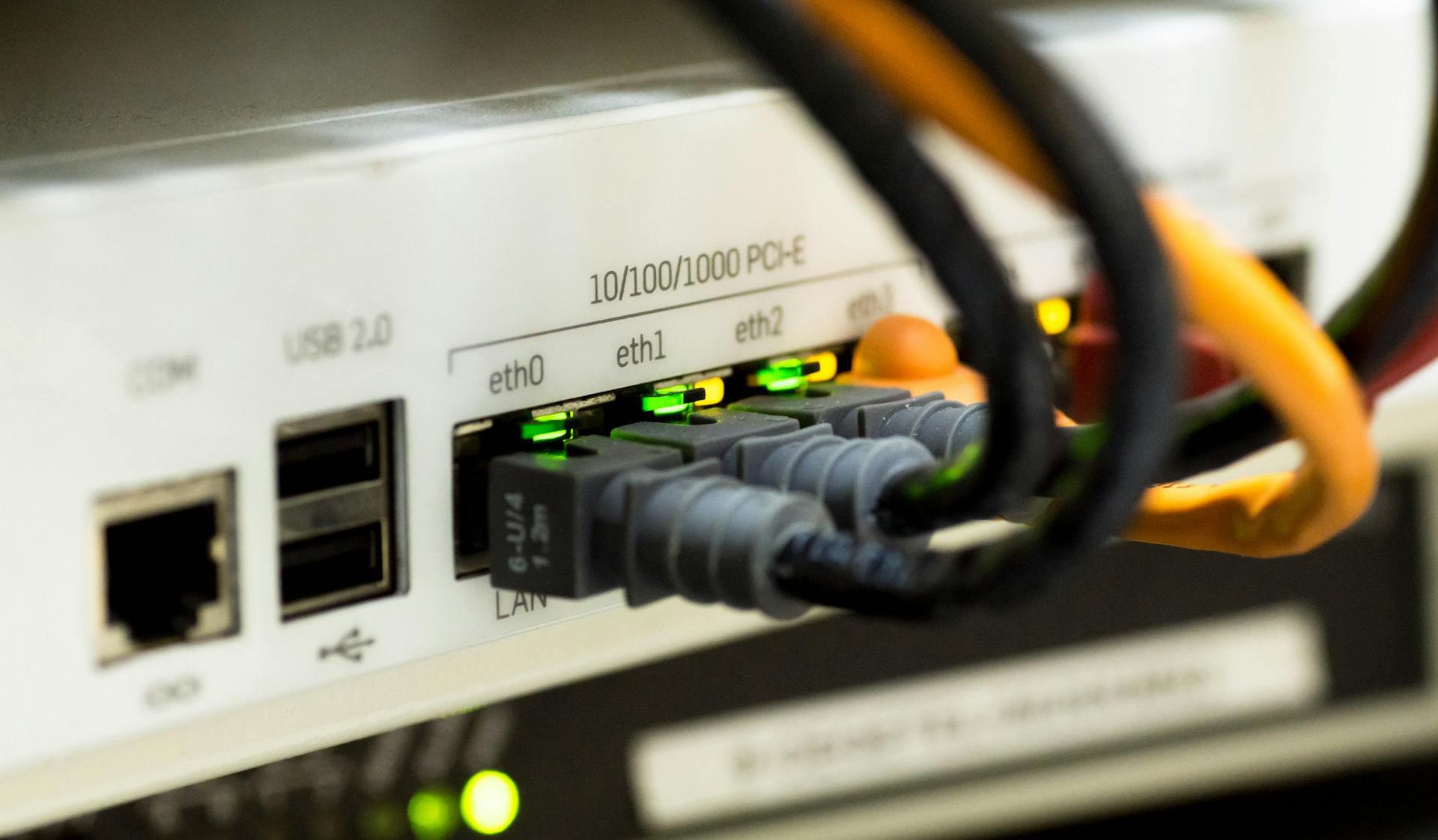
Modern websites, servers, and online applications rely heavily on networking and DNS systems to function smoothly. Whenever someone opens a website, sends an email, or connects to a cloud server, several networking technologies work together behind the scenes. Some of the most important concepts include internal IP addresses, external IP addresses, A records, and AAAA records.
These terms are commonly used in website hosting, server management, networking, and cloud infrastructure. However, many website owners and beginning users find these terms confusing. Understanding these concepts is important because they directly impact how websites connect to servers and how devices communicate over a network.
In this article, we will explain Internal IP, External IP, A Record and AAAA Record in simple language, along with their uses and importance.
What is an IP Address?
An IP address, or Internet Protocol address, is a unique numerical address assigned to a device connected to a network. It functions like a home address. Just as a courier needs a home address to deliver a package, the Internet system needs an IP address to send and receive data correctly.
Every device connected to a network uses an IP address. These include computers, mobile phones, web servers, routers, printers, cloud servers, and many other devices.
IP addresses are mainly divided into two categories:
- Internal IP address
- External IP address
There are also two versions of the Internet Protocol commonly in use today:
- IPv4
- IPv6
DNS records such as A records and AAAA records are used to link domain names to these IP addresses.
What is an internal IP address?
Internal IP addresses, also known as private IP addresses, are used within local or private networks. These IP addresses allow devices within the same network to communicate with each other.
For example, when multiple devices connect to a home Wi-Fi router or office network, each device receives a private internal IP address. These IP addresses are only accessible within that network and are not directly visible to the public internet.
Internal IP addresses are commonly used in the following:
- Homes
- Offices
- Schools
- Hosting Environment
- Cloud Infrastructure
- Company Network
A router typically automatically allocates internal IP addresses to connected devices.
Benefits of Internal IP Addresses
One of the biggest advantages of internal IP addresses is security. Because they aren't publicly accessible from the internet, internal systems are more protected from external threats.
Internal IP addresses also help organizations manage large numbers of devices without requiring a separate public IP address for each device. For example, a company may have hundreds of computers, printers, and servers connected internally while using only one public external IP address.
Another advantage is faster local communication. Devices within the same network can exchange data efficiently without relying heavily on external Internet routing.
Internal IP addresses are often used for database servers, backup servers, local applications, and internal communication systems.
What is an external IP address?
An external IP address, also called a public IP address, is an address that is visible on the internet. It is assigned by an Internet service provider or cloud hosting company.
When users visit a website, they connect to the website's external IP address. Public IP addresses make servers and online services accessible from anywhere in the world.
Unlike internal IP addresses, external IP addresses are publicly accessible. Every website hosted online requires a public IP address so that visitors can access it via the internet.
Routers and firewalls use techniques such as network address translation to allow internal devices to connect to the Internet using a shared external IP address.
Benefits of external IP addresses
External IP addresses are essential for hosting websites, applications, and online services. Without a public IP address, users outside the network will be unable to access the server.
They are also important for remote access services, such as:
- Remote Desktop Connection
- VPN access
- SSH connection
- Online gaming server
- Cloud Hosting
Businesses that host websites, mail servers, or enterprise applications rely heavily on public IP addresses.
Some organizations use static external IP addresses that remain unchanged permanently. Static IP addresses are useful for hosting and server management because DNS records can reliably point to them.
Other Internet users may use dynamic IP addresses that change periodically, which is common with residential Internet connections.
Difference between internal and external IP
The main difference between internal and external IP addresses is their reachability.
Internal IP addresses are private and work only within the local network, while external IP addresses are public and accessible via the Internet.
Internal IP addresses improve security and internal communications, while external IP addresses make online services publicly available.
Both types of IP addresses together allow devices to communicate efficiently within private networks and over the Internet.
What is DNS?
DNS stands for Domain Name System. It acts as the directory system for the Internet.
Humans prefer to remember domain names, such as website names, rather than numerical IP addresses. DNS helps convert these domain names into IP addresses so browsers can connect to the correct servers.
Without DNS, users would have to remember long numerical addresses for every website they visit.
DNS records store a variety of information related to domains and servers. The two most important DNS records are A records and AAAA records.
What is an A record?
An A record is a DNS record that associates a domain name with an IPv4 address.
The letter “A” stands for “address.”
Whenever someone opens a website in a browser, the DNS system checks the A record of the domain and finds the corresponding IPv4 address of the server hosting the website.
One of the most commonly used DNS records in website hosting is the A record.
For example, if a website server uses an IPv4 address, the domain's A record directs visitors to that specific server.
A records are widely used for the following functions:
- Website Hosting
- Subdomains
- Server Migration
- CDN integration
- load balancing
Without a correctly configured A record, websites may not load properly.
Importance of A Records
Records play a crucial role in making websites accessible online. They ensure that when visitors type domain names into their browsers, they reach the correct server.
They are easy to configure and are supported by almost all Internet systems and devices.
When businesses move their websites to new hosting providers, updating the A record is usually one of the most important steps.
What is an AAAA record?
The AAAA record is similar to the A record, but it associates the domain name with an IPv6 address instead of an IPv4 address.
The increasing number of devices connected to the Internet is leading to a shortage of available IPv4 addresses worldwide, so IPv6 has been introduced.
IPv6 provides a much larger address space and supports the future growth of the Internet.
When a website supports IPv6 connectivity, its domain may include a AAAA record pointing to the server's IPv6 address.
Modern cloud providers and hosting companies are increasingly supporting IPv6 networking.
Benefits of AAAA Records
AAAA records help make websites compatible with IPv6-enabled networks and devices.
As Internet infrastructure evolves, IPv6 usage continues to grow globally. Websites that support IPv6 can benefit from improved scalability and modern networking compatibility.
AAAA records are especially useful for the following:
- Cloud Infrastructure
- Enterprise Networking
- Future-ready hosting environment
- Large-scale internet services
Many websites nowadays use both A records and AAAA records together to support both IPv4 and IPv6 users.
How A Records and AAAA Records Work Together
Most modern websites are configured with both A and AAAA records.
This makes it possible to:
- IPv4 users will be able to connect normally
- IPv6 users can connect using IPv6
When a user opens a website, the browser and network determine whether to use IPv4 or IPv6 based on availability and compatibility.
Using both records improves access and strengthens preparation for the future.
Importance in Website Hosting and Server Management
Understanding internal IP, external IP, A record, and AAAA record is extremely important for:
- Website Hosting
- Cloud Server
- DNS Management
- Cyber security
- Email Hosting
- Remote Server Access
- VPS Hosting
- Server Migration
- Troubleshooting networking issues
Incorrect DNS records or IP configurations can cause websites to go offline, emails to stop working, or applications to become unavailable.
That's why proper network planning and DNS management is essential for businesses and website owners.
Security considerations
Although internal IP addresses are private, organizations should still secure their internal networks using firewalls, access control, and authentication systems.
External IP addresses are publicly accessible, so they require more robust security to protect against cyber threats. Security measures such as firewalls, SSL certificates, DDoS protection, and intrusion monitoring are commonly used.
DNS security is also important because attackers sometimes target the DNS system to redirect websites or intercept traffic.
Businesses should regularly monitor DNS records and properly secure domain management accounts.
Conclusion
Internal IP addresses, external IP addresses, A records, and AAAA records are vital parts of modern networking and website hosting. Internal IP addresses are used for secure communications within private networks, while external IP addresses make websites and servers accessible on the public Internet.
A records associate domain names with IPv4 addresses, while AAAA records associate domains with IPv6 addresses. Both of these records help websites function correctly across different networks and devices.
Understanding these concepts helps businesses, developers, and website owners more effectively manage hosting, DNS settings, cloud infrastructure, and server communications. Correct DNS and IP configuration can improve website stability, security, and performance.
If you need help with DNS setup, server networking, A records, AAAA records, or hosting configuration, Shriji Solutions can provide professional setup and support services.
